PL-01 · Enterprise · Digital Transformation
Self-service platform over a legacy core
A modern self-service workflow bridged to decades-old core systems via a custom middleware layer.
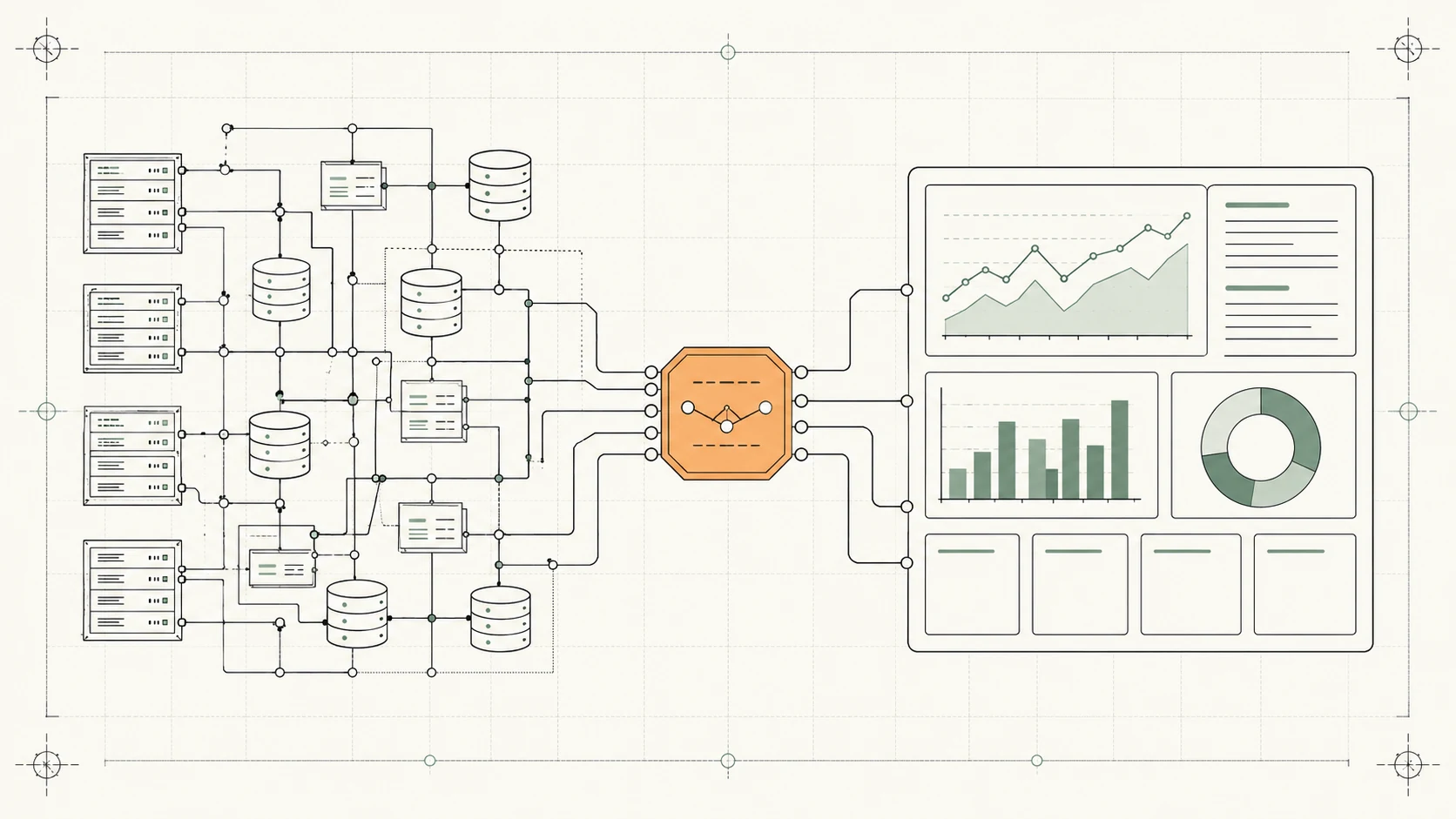
We partnered with the internal IT and architecture teams of a large enterprise in a regulated industry to support their digital transformation journey. The project aimed to modernise customer engagement by launching a self-service online workflow — bridging decades-old legacy infrastructure with a modern, user-friendly web experience.
Our role focused on designing and delivering a scalable frontend architecture, alongside a middleware integration layer that connected new digital interfaces to existing core systems. The solution allowed the organisation to offer real-time request and transaction processing online — helping drive customer acquisition and reduce dependency on manual support channels.
System shape
A modern web front end and typed middleware layer in front of an unchanged legacy core — isolating the new experience from the old system while keeping the core as the source of truth.
Constraints
- The legacy core was the system of record and could not be modified or taken offline.
- Long-lived business rules and edge cases had to be respected without turning the new layer into a second core.
- A modern online workflow had to sit on top of older infrastructure with different assumptions about speed, access, and change.
What we owned
- Architected and developed the frontend interface with a responsive, customer-centric design.
- Designed and implemented a middleware layer that interfaced with legacy APIs and data sources.
- Facilitated cross-functional collaboration between internal IT, enterprise architects, and external vendors.
- Addressed performance, security, and compliance considerations throughout development.
- Supported testing and deployment across multiple staging environments for a phased rollout.
What we deliberately avoided
- A full rewrite or replacement of the core.
- Tightly coupling the new interface directly to legacy write paths.
- Re-implementing the core's business rules in the new layer.
Operational result
- Enabled online request and transaction processing through a self-service workflow.
- Strengthened the client's digital channel and improved time-to-market for new offerings.
- Increased customer convenience while reducing the load on traditional support channels.
- Positioned the organisation for future digital initiatives with a reusable integration framework.
Next
Have something like this to build?